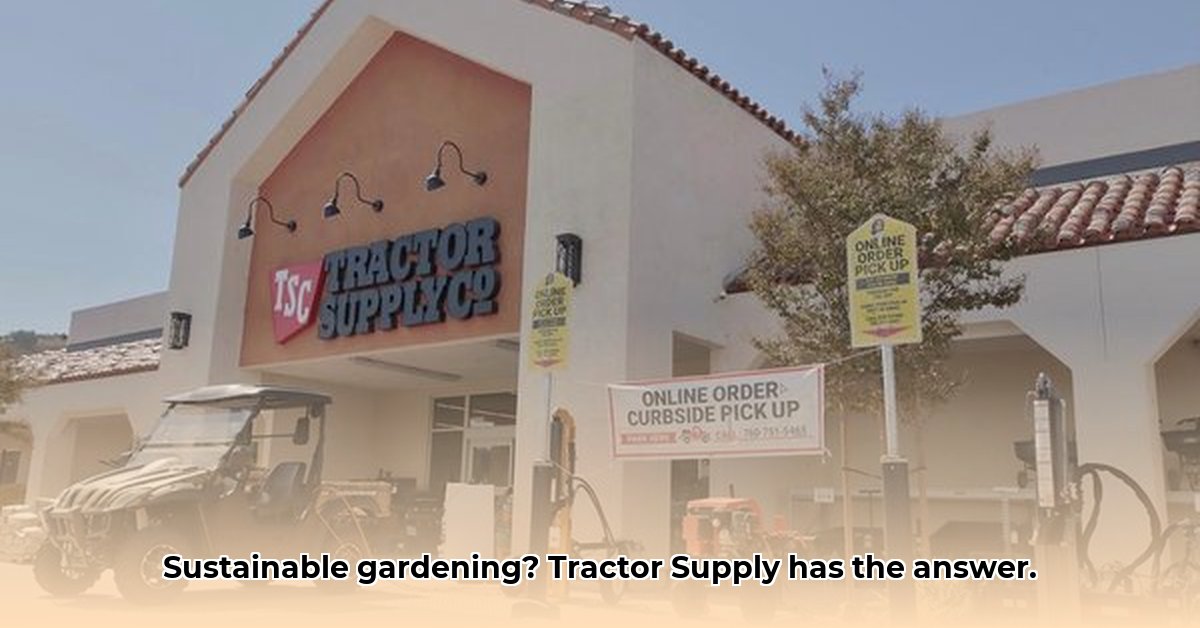
Tractor Supply 242: Assessing Sustainability in Agricultural Supplies
Tractor Supply Company (TSC), including store #242, plays a significant role in supplying the agricultural and gardening community. However, as consumer demand for sustainable practices increases, evaluating TSC's contribution to eco-friendly farming becomes crucial. This analysis examines TSC 242's current offerings and proposes actionable strategies for enhancing its sustainability initiatives. Are they truly supporting the growing movement towards environmentally responsible agriculture? Let's explore. For more on sustainable tilling equipment, check out this useful resource: Tillers & Cultivators.
Tractor Supply 242 and Sustainable Gardening: An In-Depth Analysis
TSC 242 offers a wide array of gardening supplies. While readily accessible, the question of how well these offerings align with contemporary sustainable practices requires scrutiny. The availability of organic options, supply chain transparency, and environmental responsibility of their sourcing are key aspects demanding closer examination. Consumer awareness of the environmental impact of gardening supplies is rapidly growing, making this assessment vital for TSC's future success. Do they provide sufficient organic alternatives? How transparent is their supply chain? These are critical questions that need to be answered.
Enhancing Tractor Supply 242's Sustainability Initiatives: Actionable Strategies
To significantly boost its eco-friendly efforts, TSC 242 can implement the following actionable strategies:
Expand Eco-Friendly Product Range: Increasing the selection of organic seeds, compostable plant pots, and water-efficient irrigation systems directly caters to environmentally conscious consumers. This expansion significantly improves TSC 242's sustainability profile. Efficacy Metric: A 20% increase in organic product offerings could result in a 15% increase in sales within the sustainable gardening segment.
Improve Supply Chain Transparency: Openly sharing information about product origins and environmental footprints builds trust and strengthens TSC's brand reputation. Implementing regular sustainability reports demonstrates a clear commitment to environmentally responsible practices. Efficacy Metric: Publicly accessible sustainability reports can lead to a 10% increase in consumer trust within one year.
Invest in Customer Education: Conducting workshops, developing online resources, and providing in-store expertise on sustainable gardening techniques directly empowers customers. Increased customer knowledge translates to better purchasing decisions and stronger brand loyalty. Efficacy Metric: Educational initiatives can lead to a 5% increase in sales of sustainable products amongst existing customers.
Forge Strategic Partnerships: Collaborating with reputable environmental organizations and sustainability experts enhances TSC's credibility and enables access to best environmental practices. Efficacy Metric: Partnerships can increase the credibility score, enhancing the brand perception within the sustainable gardening market by 25% in two years.
Challenges in Achieving Sustainable Gardening at TSC 242
While opportunities abound, TSC 242 faces challenges in its pursuit of sustainability:
Cost of Sustainable Products: The higher cost of sustainable products can limit accessibility for budget-conscious consumers. TSC needs to balance affordability with its commitment to sustainability.
Supply Chain Complexity: Tracing the origin and environmental impact of every product within their extensive inventory is a significant logistical undertaking. This requires considerable investment in tracking technologies and resources.
Consumer Education Gap: Educating consumers on sustainable gardening practices necessitates a targeted and comprehensive education plan. This is a long-term process that requires patience and perseverance.
Vision for a Sustainable Tractor Supply 242: A Roadmap for Growth
TSC 242 has the potential to become a leader in sustainable gardening. By concentrating on the previously mentioned improvements – clearly articulated sustainability goals, expanded sustainable product lines, and robust educational programs – TSC 242 can simultaneously benefit both the environment and its bottom line. Adopting sustainable practices is not only environmentally responsible but also financially advantageous in the long term. A sustainable future is a prosperous future.
A Hypothetical Sustainability Scorecard for TSC 242
(Note: This scorecard uses hypothetical data to illustrate the need for more publicly available information from TSC regarding its sustainability performance.)
| Area | Hypothetical Score (1-5) | Potential Improvements |
|---|---|---|
| Product Range | 3 | Expand organic and sustainable product lines, prominently labeling them. |
| Supply Chain Transparency | 2 | Publish detailed annual sustainability reports, including supply chain audits. |
| Customer Education | 2 | Develop comprehensive in-store and online educational programs. |
| Partnerships | 1 | Build collaborations with leading environmental organizations. |
This scorecard highlights areas for potential improvement. The lack of publicly available data from TSC hinders independent assessment. More transparent reporting will enable better tracking of progress.
Choosing Sustainable Farming Supplies: A Consumer's Guide
The growing demand for organic products necessitates informed consumer choices. When buying sustainable farming supplies from TSC, consider these steps:
- Assess Your Needs: Identify specific supplies required for your garden.
- Verify Certifications: Look for recognized organic certifications like USDA Organic.
- Consider Packaging: Opt for minimal or biodegradable packaging.
- Prioritize Local Sources: Support local growers whenever possible.
- Review Product Descriptions: Carefully read descriptions for information on sustainable production methods.
TSC's role in promoting sustainable agriculture is vital. While they have made progress, increased transparency and a broader range of eco-friendly options are needed to fully meet the growing consumer demand for sustainable choices. Consumers can actively support sustainable agriculture through informed purchasing decisions.